
Friends, near and far
Hasan Ferdous: In 1971, renowned American singer Joan Baez wrote a song about Bangladesh. The first few lines of this remarkable song read like this: The story of Bangladesh
Is an ancient one again made fresh
By blind men who carry out commands
Which flow out of the laws upon which nation stands
Which is to sacrifice a people for a land.
Joan Baez sang this song on 1st August 1971 at the “Concert for Bangladesh,” held at New York’s Madison Square Garden. She was joined there by several other prominent performers, among them, are George Harrison, Bob Dylan and Ravi Shankar. From the glittering Manhattan, Bangladesh was a far off country, unknown and unfamiliar to most of the artists and people in attendance. Yet, they readily felt a deep sense of solidearity with the struggle of a people aspiring to be free. It was the support of these and other people that built a shield of global solidarity for the people of Bangladesh in their struggle for political independence. That struggle ended with victory on 16 December 1971.
Although the war in 1971 was confined to the territory of Bangladesh, its soldiers were spread world-wide. Some of them are well known. For example, French writer and statesman André Malraux wanted to take up arms and fight side by side with the Bengali guerrilla fighters. We also know of American poet Alan Ginsberg, who after visiting refugee camps along the India-Bangladesh borders, wrote his celebrated poem “On Jessore Road.” British parliamentarian Peter Shore was another, whose staunch support, within the British parliament and outside, touched the hearts of the Bengali freedom fighters. We have heard about the sixty international personalities who signed the “Testimony of Sixty” circulated by OXFAM in September 1971. The signatories included Mother Theresa, US Senator Edward Kennedy and British journalist Claire Hollingworth. And we know about the American Consul-General in Dhaka, Archer Blood, and his colleagues who risked their career to protest the US silence over the genocide in Bangladesh.
Add to this list the countless others who remain unknown or less known. In neighbouring India, ordinary citizens – their names never publicized – welcomed into their homes hundreds of thousands of Bangladeshi refugees. In London and Paris, students, intellectuals and factory workers marched to protest the massacre in Bangladesh. Dozens of Americans spent nights in make-shift manholes in front of the White House to remind the world of the plight of Bangladeshi refugees. Young pioneers in Kharkov – in what is now Ukraine – sang on the streets to raise funds for Bangladesh. Members of “Friends of Bengal’ in Baltimore with small dingy boats risked their lives to “blockade” a huge marine vessel ready to ship arms to Pakistan. And then there was the young US marine yeoman, who was chided by President Nixon in his memoirs for leaking classified documents about the US policy of “tilt towards Pakistan.” To this day, his identity remains unknown.
These and other people – known and unknown, of far and near – stood by the people of Bangladesh in 1971. Their act of courage and solidarity transformed what essentially was the struggle of a single nation into the struggle of freedom-loving people everywhere.
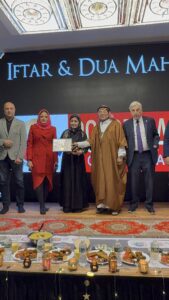

- নিউইয়র্কে গোল্ডেন এইজ হোম কেয়ারের ইফতার মাহফিল
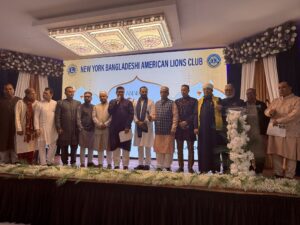
- নিউইয়র্ক বাংলাদেশি আমেরিকান লায়ন্স ক্লাবের ইফতার ও দোয়া মাহফিল অনুষ্ঠিত
- নিউইয়র্কসহ যুক্তরাষ্ট্রের উত্তর-পূর্বাঞ্চলে ৭ মার্চ ঘড়ির কাঁটা এক ঘন্টা এগিয়ে যাবে
- নিউইয়র্কে জ্যামাইকা বাংলাদেশ ফ্রেন্ডস সোসাইটির বার্ষিক ইফতার ও দোয়া মাহফিল
- Radwan Chowdhury Announces Candidacy for Montgomery County Council At-Large, Launches “Five-Pillar Blueprint” for Accountable Governance.
- New York Attorney General James Reminds New Yorkers of SNAP Work Requirements
- নিউইয়র্কে ডিজিটাল ওয়ান ট্র্যাভেলস এবং বাংলা ট্র্যাভেলস এর ইফতার মাহফিল
- রূপসী চাঁদপুর ফাউন্ডেশন নিউইয়র্ক ইনক’র ইফতার ও দোয়া মাহফিল অনুষ্ঠিত